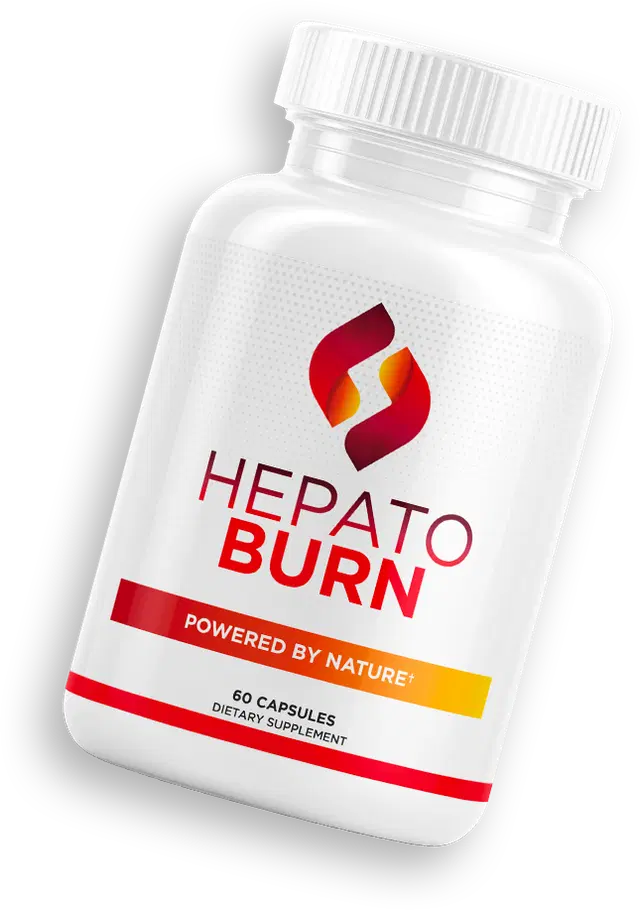
 Hepato
Burn Ingredients Explained: Inside the Formula
Published November 2026 · HepatoBurn Editorial Team
Supplement labels are easy to skim and hard to actually understand. This article breaks down each compound named in the HepatoBurn formula in plain language — what it is, why it's commonly included in liver- and metabolism-focused supplements, and what research does and doesn't show.
Silymarin: The Milk Thistle Compound
Silymarin is a group of plant compounds extracted from milk thistle, one of the most studied botanicals in the liver-support category. Researchers have investigated it for antioxidant properties and a possible relationship with liver health, though evidence for treating diagnosed liver conditions remains mixed. It's the ingredient most people expect to see in a formula named "HepatoBurn," and it anchors the liver-focused side of the blend.
Betaine and Choline: Metabolic Building Blocks
Betaine occurs naturally in foods like beets and whole grains and participates in methylation — a biological process tied to several metabolic functions. Choline is an essential nutrient directly involved in normal liver function. Both are commonly paired with silymarin in liver-support formulas because they address nutrition rather than a single isolated mechanism.
Berberine and Chlorogenic Acid: The Metabolism Pair
Berberine is a plant-derived compound that has attracted scientific interest for its potential effects on glucose and lipid metabolism. It can interact with medications and may cause digestive side effects in some people, so it's worth flagging to a pharmacist if you take anything for blood sugar. Chlorogenic acid, found in coffee and other plants, has been studied for similar metabolic outcomes, though findings differ depending on preparation and dose.
Glutathione, Resveratrol, and Genistein: The Antioxidant Trio
Glutathione is a cellular antioxidant the body produces naturally, investigated for its role in protecting against oxidative stress. Resveratrol, found in grapes and berries, and genistein, a soy-derived isoflavone, round out the antioxidant side of the formula. Antioxidant activity shown in research doesn't automatically mean a noticeable effect from any specific product — the complete formula, dose, and manufacturing quality all factor in.
Molybdenum: The Trace Mineral
Molybdenum is an essential trace mineral required in very small amounts. It helps certain enzymes function properly in the body. Like several ingredients in this formula, the supplied materials don't specify an exact milligram amount — worth checking directly on your bottle's Supplement Facts panel.
Why We Don't List Invented Milligram Amounts
You'll notice this guide — and our full ingredients page — doesn't assign a specific dose to every compound. That's deliberate. The supplied product materials don't consistently disclose individual amounts, and publishing invented figures would be misleading. The honest answer is: check the current label on the bottle you receive, and if a specific dose matters to you (for a known sensitivity, for example), confirm it before ordering.
How the Formula Fits Together
Rather than relying on one headline ingredient, HepatoBurn spreads its formula across three general roles — liver-focused compounds, metabolic nutrients, and antioxidant-support compounds — see our mechanism breakdown for how those roles are positioned to work together, and our benefits article for what each pillar is formulated to support.
A Note on Interactions
If you take prescription medication — particularly for blood sugar, blood pressure, or liver conditions — review this full ingredient list with a healthcare professional or pharmacist before starting. Berberine in particular is known to interact with certain medications.
HepatoBurn Benefits: What Liver-First Wellness Looks Like · How Does HepatoBurn Work? Understanding the Approach
Read the Full Ingredients Guide
Every compound, its general role, and what's verified — all in one place.